
Cavity Insulation
At Building Shop Ltd, we supply reliable cavity insulation designed to improve thermal efficiency and reduce heat loss in buildings. Ideal for both new builds and renovation projects, cavity insulation helps maintain a comfortable indoor temperature while supporting energy savings across UK homes and commercial properties.
Effective Thermal Performance for Walls
Cavity insulation is specifically designed to reduce heat loss through external walls, which is one of the most common areas where energy can escape. At Building Shop Ltd, our cavity insulation products work by filling or partially filling the gap between internal and external walls, creating a barrier that slows down the movement of heat. This helps to keep warm air inside during colder months, making properties more comfortable and energy efficient. By improving wall insulation, homeowners and builders can reduce reliance on heating systems, which can lead to lower energy bills over time. Cavity insulation is particularly important in the UK, where maintaining heat during colder weather is essential. Whether you are upgrading an existing property or working on a new build, cavity insulation provides a practical solution for improving overall thermal performance.
Suitable for New Builds and Renovations
At Building Shop Ltd, our cavity insulation products are suitable for a wide range of applications, making them a flexible choice for different types of projects. In new builds, cavity insulation is often installed during construction, ensuring that the building meets current energy efficiency standards from the outset. For existing properties, it can be added as part of a renovation or upgrade to improve thermal performance. Depending on the type of wall construction, cavity insulation can be installed in full-fill or partial-fill systems, allowing for different approaches based on project requirements. This versatility makes it a popular option for both residential and commercial buildings. Because it can be adapted to suit different structures, cavity insulation is an effective way to enhance energy efficiency without significantly altering the appearance or layout of the property.

Moisture Control and Breathability
Managing moisture is an important factor when installing cavity insulation, especially in the UK climate. At Building Shop Ltd, our cavity insulation products are designed to balance thermal performance with effective moisture control. Many types of cavity insulation allow for breathability, helping to prevent the build-up of condensation within the wall structure. This is essential for protecting both the insulation material and the building itself over time. Proper installation ensures that moisture is directed away from internal spaces, reducing the risk of damp issues. Some systems are designed to maintain a clear cavity or include water-resistant properties to further improve performance in exposed conditions. By choosing the right cavity insulation and installing it correctly, you can improve energy efficiency while also maintaining a healthy and durable building structure.
Easy Installation and Practical Use
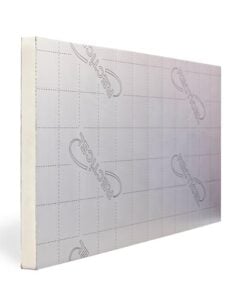
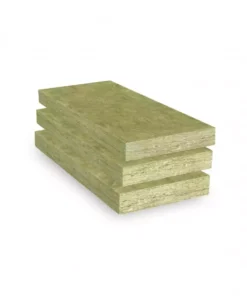
Cavity insulation is designed to be practical and efficient to install, particularly in new construction projects. At Building Shop Ltd, we supply insulation products that are easy to handle and fit within standard cavity wall systems. In new builds, insulation boards or batts can be installed as the walls are constructed, ensuring a consistent and secure fit. For retrofit applications, specialist methods may be used depending on the structure of the property. The goal is to achieve even coverage within the cavity, minimising gaps that could reduce performance. Because cavity insulation is installed within the wall structure, it does not take up internal space or affect room sizes. This makes it a convenient option for improving insulation without impacting the usable area of the building. Its straightforward application helps ensure reliable results when installed correctly.
Supporting Energy Efficiency and Regulations
Meeting current building regulations is an important part of any construction or renovation project. At Building Shop Ltd, our cavity insulation products are designed to help meet UK thermal performance standards while improving overall energy efficiency. By reducing heat loss through walls, cavity insulation contributes to better energy ratings and can help lower heating costs over time. It also supports efforts to reduce carbon emissions, making it a more environmentally responsible choice. Many building regulations now require effective insulation as part of modern construction, and cavity insulation plays a key role in achieving these standards. Whether you are a builder, contractor, or homeowner, choosing the right insulation helps ensure compliance while delivering long-term benefits. With the right approach, cavity insulation can significantly improve the comfort and efficiency of any property.
Quality Cavity Insulation from Building Shop Ltd
At Building Shop Ltd, we are committed to supplying high-quality cavity insulation products that deliver reliable performance. We carefully select our range to ensure it meets the needs of UK construction and renovation projects, providing solutions that are both practical and effective. Whether you are working on a small upgrade or a large development, our cavity insulation is designed to help you achieve strong thermal results. We focus on offering materials that are easy to install, durable, and suited to real-world conditions. With our range of cavity insulation products, you can improve energy efficiency and create more comfortable living and working environments. When you choose Building Shop Ltd, you are choosing dependable insulation solutions backed by industry knowledge and trusted service.
Frequently Asked Questions
What is cavity insulation and how does it work?
Cavity insulation is a type of thermal insulation designed to reduce heat loss through external walls. Most modern buildings in the UK are constructed with cavity walls, which include a gap between the inner and outer layers of brick or block. At Building Shop Ltd, our cavity insulation products are used to fill or partially fill this gap, creating a barrier that slows down the movement of heat. This helps keep warm air inside during colder months and improves overall energy efficiency. By reducing heat loss through the walls, cavity insulation can make a property more comfortable and help lower heating costs over time. It works continuously once installed, requiring no ongoing input to maintain its performance. This makes it a practical and effective solution for both new builds and existing properties looking to improve insulation.
Is cavity insulation suitable for all properties?
Cavity insulation is suitable for many properties, but it depends on the type of wall construction. At Building Shop Ltd, our cavity insulation products are typically used in buildings with cavity walls, which are common in UK homes built after the 1920s. However, not all cavities are suitable for insulation, particularly if the walls are exposed to severe weather or if there are existing damp issues. Older properties with solid walls will require a different type of insulation altogether. Before installing cavity insulation, it is important to assess the condition of the walls and ensure the cavity is appropriate for the chosen system. In new builds, cavity insulation is usually included as part of the construction process to meet building regulations. For existing homes, professional assessment is often recommended to ensure the best results and avoid potential issues.
Does cavity insulation help reduce energy bills?
Cavity insulation can play a significant role in reducing energy bills by improving the thermal efficiency of a building. At Building Shop Ltd, our cavity insulation products help minimise heat loss through external walls, which is one of the main areas where energy can escape. By keeping heat inside for longer, less energy is needed to maintain a comfortable indoor temperature. This can lead to noticeable savings on heating costs over time, especially during colder months. The exact level of savings will depend on factors such as the size of the property, the type of heating system, and how well the building is insulated overall. While cavity insulation is just one part of a complete energy efficiency strategy, it is often one of the most effective improvements that can be made to reduce ongoing energy usage.
Will cavity insulation cause damp problems?
When installed correctly, cavity insulation should not cause damp problems. At Building Shop Ltd, our cavity insulation products are designed to work alongside proper moisture control within the wall structure. Many systems are breathable or water-resistant, helping to prevent the build-up of condensation. However, issues can arise if insulation is installed in unsuitable conditions, such as in walls that are already damp or exposed to high levels of driving rain. This is why it is important to ensure the property is suitable before installation. In new builds, cavity insulation is installed as part of a controlled process that includes moisture management. For existing properties, assessing the wall condition and choosing the correct type of insulation is key. When these factors are properly considered, cavity insulation can improve comfort without increasing the risk of damp.
Is cavity insulation easy to install?
Cavity insulation is relatively straightforward to install, particularly in new construction projects. At Building Shop Ltd, our cavity insulation products are designed to fit within standard cavity wall systems, making installation efficient for builders and contractors. In new builds, insulation boards or batts are installed as the walls are being constructed, ensuring a consistent and secure fit. For existing properties, installation can be more complex and may require specialist techniques depending on the structure of the building. The goal is to achieve even coverage throughout the cavity to avoid gaps that could reduce performance. Because the insulation sits within the wall, it does not affect internal space or room size. While installation is generally simple in the right conditions, following correct methods is essential to ensure long-lasting and effective results.